
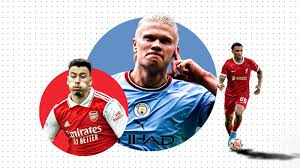
Football has always been a game of passion, skill, and strategy—but in recent years, it has evolved into something even more intense. Today’s football is faster, smarter, and far more tactical than it was just a decade ago. From high-speed pressing to data-driven decision-making, modern football has transformed into a highly complex and dynamic sport.
This evolution is not accidental. Advances in sports science, tactical innovation, technology, and player development have reshaped how football is played at every level. In this article, we explore why football is faster and more tactical than ever before, and how these changes are redefining the beautiful game.
The Increasing Pace of Modern Football
Higher Physical Demands on Players
One of the most noticeable changes in modern football is its sheer speed. Players now cover more ground at higher intensities than ever before. According to performance data from top European leagues, elite players sprint more frequently and maintain higher work rates throughout the match.
This rise in physical intensity is driven by:
- Advanced fitness training programs
- Improved nutrition and recovery methods
- Sports science tailored to individual players
Modern footballers are faster, stronger, and more durable, allowing teams to maintain high tempo for 90 minutes and beyond.
Pressing and Counter-Pressing Revolution
The introduction of high pressing and counter-pressing (gegenpressing) has significantly accelerated the pace of the game. Teams now aim to win the ball back within seconds of losing possession, forcing quick decisions and rapid transitions.
Managers like Jürgen Klopp, Pep Guardiola, and Marcelo Bielsa popularized systems where:
- Players press aggressively in coordinated units
- Space and time on the ball are drastically reduced
- Matches become end-to-end battles
As a result, football has become faster not just physically, but mentally as well.
Tactical Evolution in Modern Football
From Rigid Formations to Fluid Systems
In the past, formations were static—4-4-2 or 3-5-2 systems with clearly defined roles. Today, formations are fluid and dynamic, often changing multiple times during a match.
Modern tactics involve:
- Full-backs becoming midfielders
- Wingers cutting inside as playmakers
- Defensive midfielders dropping into back lines
These positional rotations make teams unpredictable and tactically sophisticated.
Tactical Flexibility and In-Game Adjustments
Football managers now act like chess grandmasters. Matches are won not just on the training ground, but through real-time tactical adjustments.
Coaches frequently change:
- Pressing intensity
- Defensive lines
- Build-up patterns
- Attacking shapes
Substitutions are no longer just about fresh legs—they are strategic tools to exploit weaknesses and shift momentum.
The Role of Technology and Data Analytics
Data-Driven Decision Making
One major reason football is more tactical than ever is the use of data analytics. Clubs analyze thousands of data points per match, including:
- Player positioning
- Passing networks
- Sprint distances
- Expected goals (xG)
This information helps managers design tactics, identify opponents’ weaknesses, and optimize player performance.
Video Analysis and Tactical Preparation
Video analysis has revolutionized match preparation. Every opponent’s movement, pressing trigger, and defensive flaw can be studied in detail.
Teams now:
- Prepare multiple game plans
- Analyze individual duels
- Train specific scenarios
This level of preparation makes modern football highly strategic and intellectually demanding.
Faster Transitions and Vertical Play
Quick Ball Progression
Modern football emphasizes verticality—moving the ball forward quickly instead of slow, sideways passing. Teams aim to reach attacking zones in fewer touches, catching opponents out of shape.
This approach leads to:
- Rapid counter-attacks
- High-risk, high-reward passing
- Constant pressure on defenses
As transitions become faster, matches become more exciting and unpredictable.
Goalkeepers as Playmakers
The modern goalkeeper is no longer just a shot-stopper. Today’s keepers are integral to build-up play, acting as deep-lying playmakers.
They are expected to:
- Play accurate long and short passes
- Remain calm under pressure
- Participate in positional play
This tactical shift adds another layer of complexity and speed to the game.
The Influence of Elite Managers
Tactical Innovators Changing the Game
Football’s tactical boom is closely tied to visionary managers. Coaches like Guardiola, Klopp, Ancelotti, and Arteta have pushed tactical boundaries.
Their influence includes:
- Positional play systems
- Hybrid player roles
- Structured pressing schemes
These ideas spread rapidly across leagues, raising the tactical standard worldwide.
Youth Development and Tactical Education
Young players are now trained tactically from an early age. Academies emphasize:
- Game intelligence
- Spatial awareness
- Tactical discipline
As a result, modern players arrive at the professional level with a deeper understanding of complex systems, accelerating the tactical evolution of football.
Mental Speed: The Hidden Factor
Faster Decision-Making
It’s not just about running faster—thinking faster is crucial in modern football. Players must process information instantly:
- Where is the space?
- When to press?
- Who to pass to?
With less time on the ball, decision-making speed often separates elite players from average ones.
Psychological Preparation
Sports psychology now plays a key role in tactical execution. Players are trained to remain focused, adaptable, and confident under pressure.
Mental sharpness ensures teams can:
- Maintain tactical discipline
- React to sudden changes
- Execute complex strategies
How These Changes Affect Fans and the Future of Football
More Intense and Entertaining Matches
For fans, faster and more tactical football means:
- Higher tempo games
- More goalscoring chances
- Constant momentum shifts
Matches are rarely slow or predictable, keeping audiences engaged throughout.
The Future: Even Faster, Even Smarter
As technology, training methods, and tactical knowledge continue to evolve, football will only become more intense. Artificial intelligence, advanced analytics, and improved athlete conditioning may push the game to unprecedented levels.
The challenge will be balancing speed and tactics with creativity and flair—the essence of football’s beauty.
Conclusion
Football today is faster and more tactical than ever before because of advancements in fitness, technology, coaching philosophy, and player intelligence. High pressing, fluid formations, data analytics, and rapid transitions have transformed the sport into a high-speed tactical battle.
Yet, despite all these changes, the heart of football remains the same—a game of creativity, teamwork, and passion. As the sport continues to evolve, one thing is certain: the beautiful game has never been more thrilling to watch or analyze.
If you want, I can:
- Optimize it for Google keywords
- Rewrite it for Premier League / World Cup focus
- Add meta title & meta description
- Or adapt it for AI-safe SEO blogs
Just tell me 🔥
Author

sajawalsafdar35@gmail.com
Related Posts

Australia’s Hockey Boom: Field and Ice on the Rise
Australia has long been known for its sporting passion — from cricket and rugby to surfing and swimming. But another sport, often...
Read out all
Russia’s Hockey Renaissance: New Stars & Old Traditions
Russia has long been synonymous with ice hockey. From the legendary “Red Machine” of the Soviet era to contemporary stars lighting up...
Read out all
Argentina’s Hockey Heartbeat: A Look at Their Ageless Passion
Hockey in Argentina is more than just a sport; it is a cultural heartbeat, a source of national pride, and a symbol...
Read out all
Finland’s Goalie Factory: How They Produce the Best Ever
When it comes to producing world-class goaltenders, Finland has become a small but mighty powerhouse in the hockey world. From NHL legends...
Read out all
Inside India’s Growing Field Hockey Legacy
Field hockey, often referred to as the sport that ignited India’s global sporting passion, has a rich legacy that continues to grow...
Read out all
Japan’s Rise in Ice Hockey: From Underdogs to Contenders
Japan’s journey in ice hockey is one of resilience, passion, and rapid development. Once relatively unknown in the global ice hockey scene,...
Read out all